Inflammatory findings

Inflammation and MRI

MRI may in some cases show signs of inflammation or inflammatory changes in tissues, organs, joints or soft tissues. What the finding means depends on the area, symptoms and medical history.

MRI and inflammation

When imaging diagnostics can provide more information about tissue

Inflammation can affect the body in different ways. Sometimes changes in tissue, joints, organs or soft tissues are visible on MRI images, but the findings always need to be interpreted by a radiologist.

MRI can be a complement to medical assessment and sampling, but does not replace all other diagnostics.

Examples of areas

Soft parts
Leader
Back
Abdominal organs
Vascular reaction
Swelling
Follow-up
Medical assessment
How the Process Works

From MRI scan to medical response

After the examination, the images are reviewed by a radiologist. You will receive a written report and guidance on whether the findings need to be followed up.

1

Book privately without a referral

You choose an examination and book directly via Prevcare without first needing a referral.

2

Perform the MRI examination

The examination is carried out in a clinic according to the protocol that suits the medical question.

3

Get report and medical guidance

The images are reviewed by a radiologist. You will receive a written report and guidance on any follow-up.

Inflammation, tissue and whole body scanning

Imaging findings need to be linked to symptoms and test results

Inflammatory changes can sometimes be seen with MRI, but they need to be assessed together with symptoms, examination findings and possible sampling.

Can MRI show inflammation?

MRI may in some cases show signs of inflammation, such as swelling, tissue changes or altered signal in organs, joints or soft tissues. This depends on the area being examined and the type of inflammation involved.

An MRI finding is not always sufficient to determine the cause. Inflammation often needs to be assessed in conjunction with symptoms, blood tests, medical history, and clinical examination.

During a whole-body MRI, certain inflammatory or abnormal findings may be detected as part of a broader examination.

What can MRI show in inflammatory changes?

MRI can provide information about changes in soft tissues, fluid accumulation, swelling, joint changes or organ involvement. The radiologist describes the findings in the report and indicates whether they should be followed up.

Different inflammatory conditions require different examinations. Sometimes MRI is relevant, while other conditions are better assessed with blood tests, ultrasound, endoscopy or other methods.

  • Swelling and fluid changes.
  • Changes in soft tissues or joints.
  • Signs of impact in certain organs.
  • Findings that need to be followed up.
  • Assessment by radiologist.

When does inflammation need to be monitored?

Follow-up depends on the type of finding, symptoms, and whether there are signs of ongoing disease. In some cases, doctors may recommend new imaging, blood tests, or contact with a specialist.

If the MRI report shows findings that require further assessment, Prevcare can help you with a referral if necessary.

Inflammation during whole body MRI

Whole-body MRI is a broad examination that can show abnormalities in several parts of the body. However, it is not a targeted investigation of all inflammatory diseases.

If you have clear symptoms from a specific area, a targeted MRI or other healthcare contact may be more appropriate.

Price and booking

You can find the current price and book directly on the full body MRI page.

Radiological report, specialist review and referral if necessary are included.

Private investigation

Book a full-body MRI without a referral

Full body MRI is a private examination for those who want to examine multiple organs and body parts in the same procedure. Radiological report and review with a specialist doctor are included.

The original price was: SEK 31.The current price is: SEK 27.
Read more about whole body MRI
Clinics

Clinics for whole body MRI

Prevcare collaborates with established clinics in several locations in Sweden. You book the examination privately without a referral and have the results reviewed by a radiologist.

Evidia Mölndal at GoCo

Entrepreneur Street 6
431 53 Mölndal

Entrance for magnetic resonance imaging (MRI) examinations.

Evidia Hyllie X-ray

Hyllie Station Square 2
215 32 Malmö, Sweden

Evidia Jönköping X-ray

Battery Street 11
553 05 Jonkoping

Evidia Karlstad X-ray

Löfbergs Arena, Northern Entrance 79
654 65 Karlstad

Evidia Sabbatsberg X-ray

Olivecronas Road 1
113 24 Stockholm

Evidia Sundsvall X-ray

Institutsvägen 2
856 43 Sundsvall

Evidia Umeå X-ray

Renmarktstorget 12 C
903 26 Umea

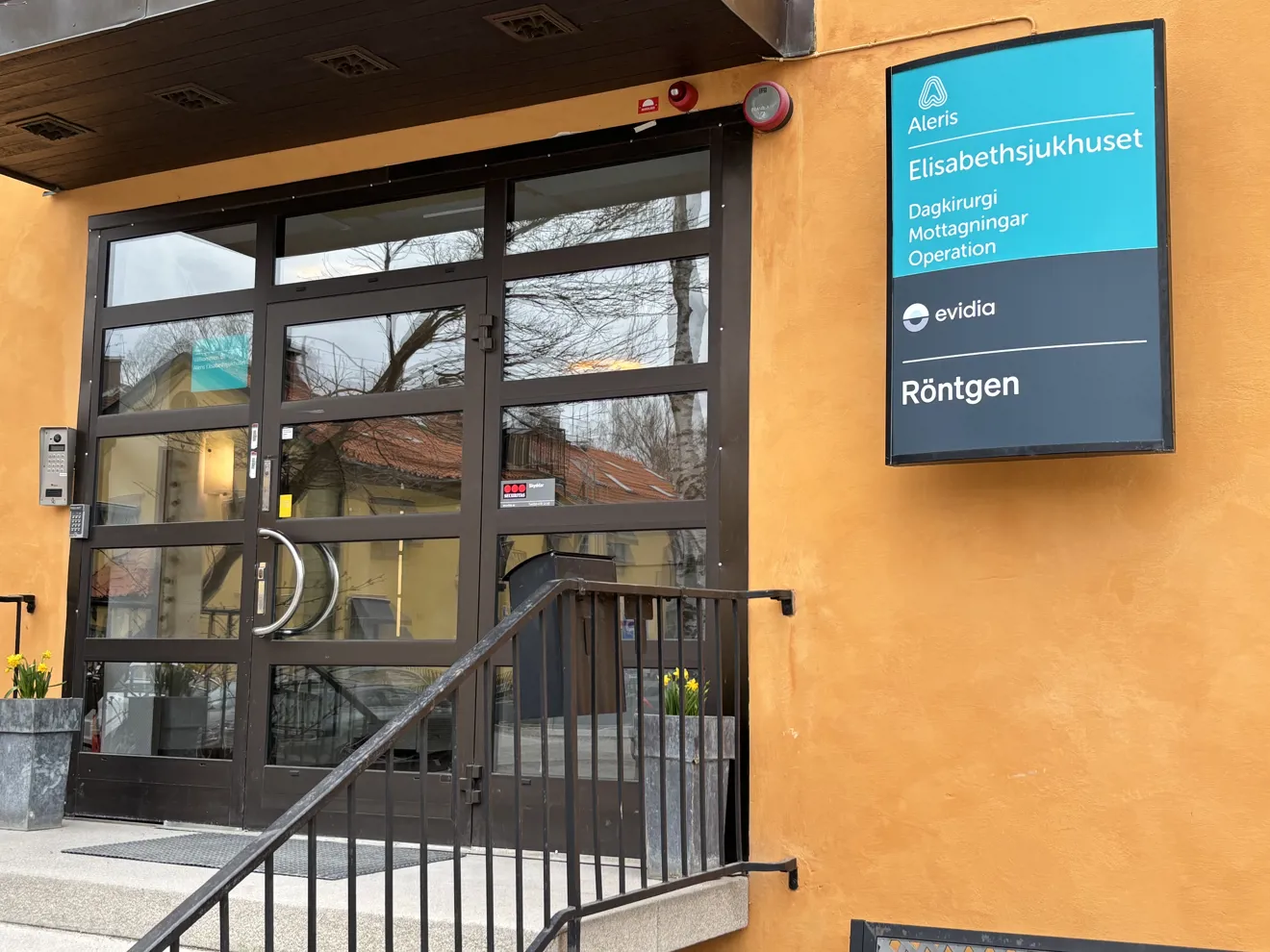
Evidia Uppsala at Elisabeth Hospital X-ray

Geijersgatan 20
752 27 Uppsala

FAQ

Frequently asked questions about inflammation and MRI

Can MRI show inflammation and MRI?

MRI can in some cases show inflammatory changes, but the cause needs to be assessed together with symptoms, test results and medical history.

Do I need a referral for a full-body MRI?

No. You can book a full-body MRI privately through Prevcare without a referral.

What happens if something is discovered?

If the examination shows findings that need to be followed up, you will receive information in the report. If necessary, Prevcare can help you further with a referral after medical assessment.

Does MRI replace other care?

No. MRI does not replace emergency care, medical evaluation, blood tests or other diagnostics when needed. The results always need to be assessed in their medical context.