MRI and medical findings

Tumor and MRI

MRI can show changes in organs and tissues that need to be assessed by a radiologist. Some findings may raise suspicion of a tumor, but an MRI image always needs to be interpreted together with medical information and sometimes supplemented with further investigation.

Suspected tumor and MRI

When imaging shows a change that needs to be investigated

MRI provides detailed images of soft tissues, organs, and certain parts of the nervous system. This can make the method relevant when doctors want to assess changes that may need to be followed up.

However, an MRI examination alone cannot determine everything. Some findings require additional imaging diagnostics, sampling or specialist assessment.

What the assessment may cover

Organ change
Soft parts
Lymph nodes
Cystic finding
Suspicion of tumor
Follow-up
Radiological report
Referral if necessary
How the Process Works

From MRI scan to medical response

After the examination, the images are reviewed by a radiologist. You will receive a written report and guidance on whether the findings need to be followed up.

1

Book privately without a referral

You choose an examination and book directly via Prevcare without first needing a referral.

2

Perform the MRI examination

The examination is carried out in a clinic according to the protocol that suits the medical question.

3

Get report and medical guidance

The images are reviewed by a radiologist. You will receive a written report and guidance on any follow-up.

MRI, cancer and early detection

Findings always need to be assessed in the correct medical context

MRI can be part of the investigation or follow-up of suspicious changes. In broad screening, the goal is to find abnormalities that need further assessment, not to replace all other diagnostics.

  • Full body MRI
  • full body scan
  • tumor and MRI
  • magnetic resonance imaging
  • radiological examination
  • medical assessment
  • without referral
  • referral if necessary

Can MRI show tumors?

MRI can show changes in organs, tissues and soft tissues that may need further assessment. Some changes may suggest a tumor, while others may prove to be benign or require monitoring over time.

It is important not to interpret an MRI finding in isolation. The radiologist assesses the image material, but the continued medical significance also depends on symptoms, previous illnesses, test results and any further investigation.

A tumor is not automatically the same as cancer. Read more about the difference between tumor and cancer.

During a full-body MRI , several organs and body parts are examined in a broader manner.

What can MRI show if a tumor is suspected?

MRI can show where a lesion is located, how it is delimited from surrounding tissue, and whether it has imaging features that need to be described in the report. The method is particularly useful for many soft tissue, organ, and brain-related issues.

Not all tumor types are seen equally clearly with the same method. In some situations, computed tomography, ultrasound, endoscopy, mammography, blood tests or tissue samples may be more relevant or needed as a complement.

  • Changes in organs and soft tissues.
  • Lymph node enlargement.
  • Findings that need targeted follow-up.
  • Information about location and distribution.
  • Assessment by radiologist.

What happens if the MRI shows a suspicious finding?

If the radiologist sees a finding that needs to be followed up, it is described in the report. The next step may be targeted imaging diagnostics, a new check after a certain time, sampling or contact with another specialist.

If necessary, Prevcare can help you further with a referral after medical assessment.

Tumor and whole body MRI

Whole-body MRI can provide a broad picture of several organs and body parts, but the examination is not a guarantee that all cancers or tumors will be detected.

If you have clear symptoms or already have a known suspicion of a tumor, the examination should be chosen based on the specific medical question.

In case of concern or clear symptoms

Contact your healthcare provider if you have new, persistent, or rapidly worsening symptoms. Full-body MRI does not replace emergency care or targeted cancer investigation.

Price and booking

You can find the current price and book directly on the full body MRI page.

The examination includes a radiological report, specialist review and referral if necessary.

Private investigation

Book a full-body MRI without a referral

Full body MRI is a private examination for those who want to examine multiple organs and body parts in the same procedure. Radiological report and review with a specialist doctor are included.

The original price was: SEK 31.The current price is: SEK 27.
Read more about whole body MRI
Clinics

Clinics for whole body MRI

Prevcare collaborates with established clinics in several locations in Sweden. You book the examination privately without a referral and have the results reviewed by a radiologist.

Evidia Mölndal at GoCo

Entrepreneur Street 6
431 53 Mölndal

Entrance for magnetic resonance imaging (MRI) examinations.

Evidia Hyllie X-ray

Hyllie Station Square 2
215 32 Malmö, Sweden

Evidia Jönköping X-ray

Battery Street 11
553 05 Jonkoping

Evidia Karlstad X-ray

Löfbergs Arena, Northern Entrance 79
654 65 Karlstad

Evidia Sabbatsberg X-ray

Olivecronas Road 1
113 24 Stockholm

Evidia Sundsvall X-ray

Institutsvägen 2
856 43 Sundsvall

Evidia Umeå X-ray

Renmarktstorget 12 C
903 26 Umea

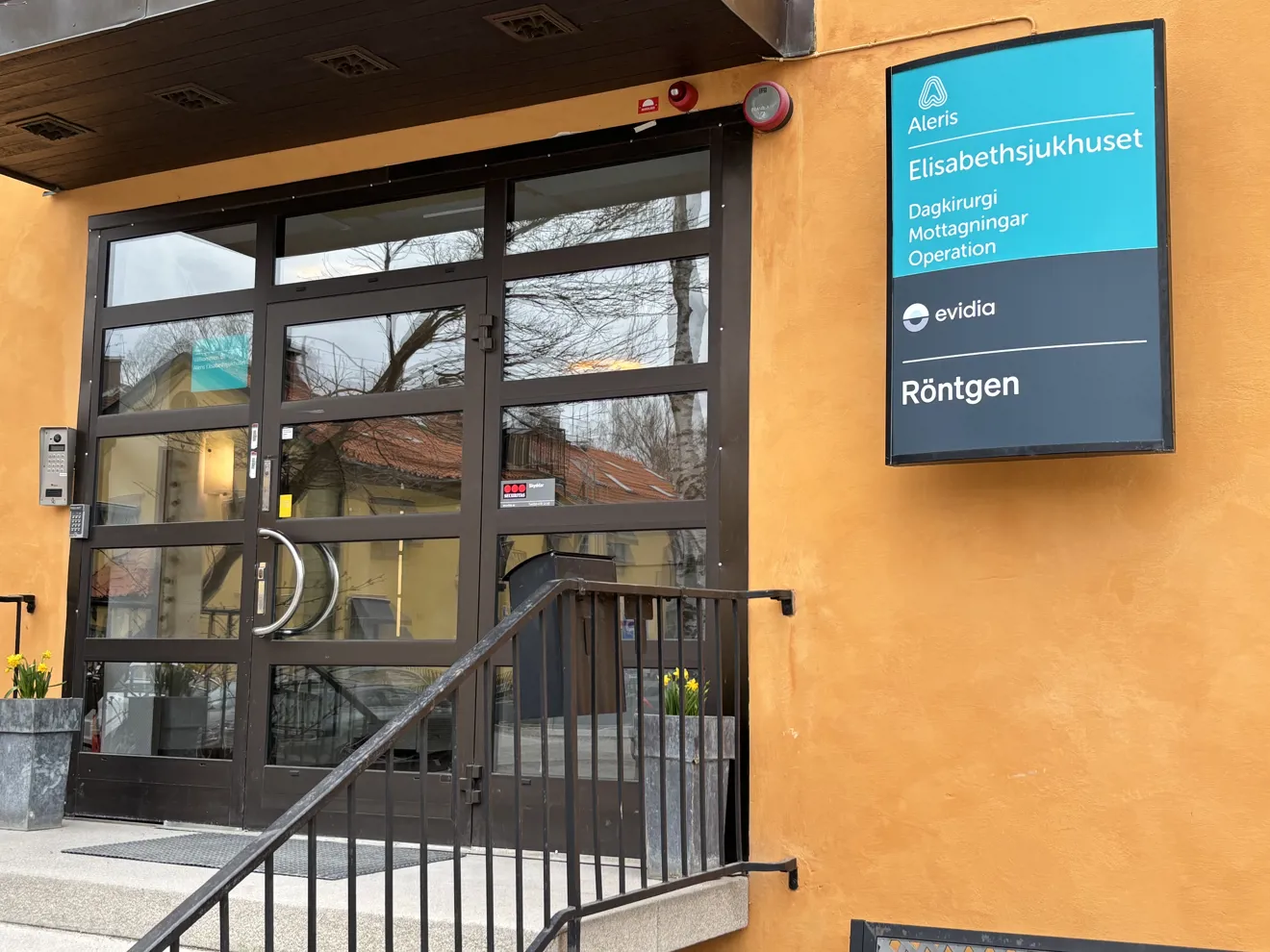
Evidia Uppsala at Elisabeth Hospital X-ray

Geijersgatan 20
752 27 Uppsala

FAQ

Frequently asked questions about tumors and MRI

Can MRI show a tumor?

MRI can show changes that need to be assessed further and can sometimes raise suspicion of a tumor. Diagnosis often requires a comprehensive medical assessment and sometimes additional investigation.

Do I need a referral for a full-body MRI?

No. You can book a full-body MRI privately through Prevcare without a referral.

What happens if something is discovered?

If the examination shows findings that need to be followed up, you will receive information in the report. If necessary, Prevcare can help you further with a referral after medical assessment.

Does MRI replace other care?

No. MRI does not replace emergency care, medical evaluation, blood tests or other diagnostics when needed. The results always need to be assessed in their medical context.